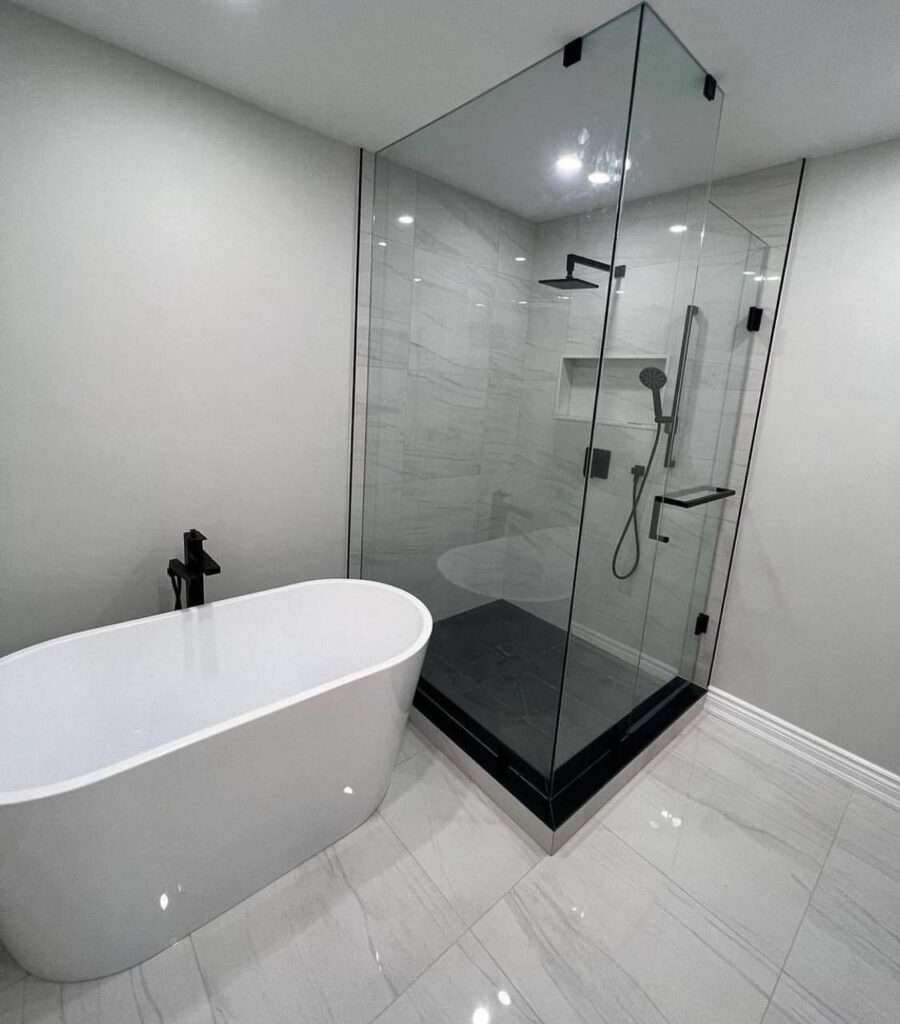

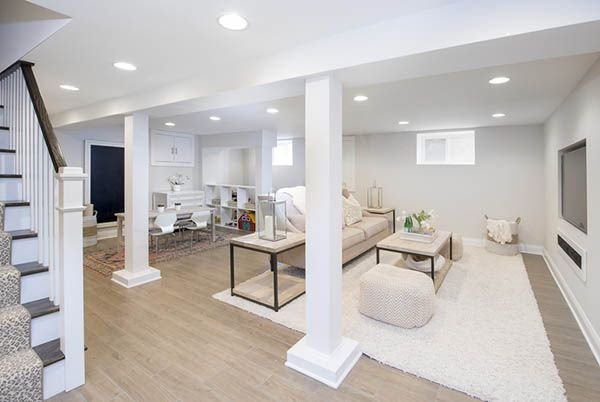
Yes, radiant floor heating is worth it in most Toronto bathrooms and in finished basements, as long as you treat it as comfort heating. An electric mat under porcelain tile costs little to run, warms the floor in under an hour and removes the shock of cold tile in winter. It will not replace your furnace, but it makes the coldest rooms in the house feel noticeably better.
What Is Radiant Floor Heating?
Radiant floor heating is a heating system that warms a room from the floor up by sending heat through the surface, instead of blowing hot air through vents.
Electric radiant heating is a system of thin heating cables or mats installed under the tile and powered from a thermostat.
Hydronic radiant heating is a system of tubes under the floor that circulate warm water from a boiler or water heater.
A heating membrane is an uncoupling or insulating layer with channels that hold the cable in place and protect the tile from subfloor movement.
Electric vs Hydronic: Which System Fits Your Home?
For a single bathroom or basement room, electric is almost always the practical choice. Hydronic makes sense when you are rebuilding a whole floor and already have a suitable boiler.
| Factor | Electric mat or cable | Hydronic tubing |
|---|---|---|
| Best for | Bathrooms, kitchens, single rooms | Whole floors, new builds, large basements |
| Installation | Simple, thin, done in 1-2 days | Complex, needs plumbing and a boiler |
| Floor height added | Very low | Higher, often needs a mortar bed |
| Upfront cost | Lower | Higher |
| Running cost | Low for small areas | Efficient for large areas |
| Warm-up time | About 30-60 minutes | Slower, but steady |
Is Heated Flooring Worth It in a Bathroom?
A bathroom is the best place for radiant heat. The floor area is small, usually 30-50 square feet of open tile, so the system is inexpensive and quick to warm. Tile also dries faster when it is warm, which helps with moisture and with that damp feeling after a shower.
At roughly 12 watts per square foot, a 40 sq. ft. floor draws about 480 watts while heating. Even eight hours of use stays under 4 kWh, and a programmable thermostat can start the heat just before you wake up.
If you are already renovating, adding heat is much cheaper than adding it later, because the floor is open. Learn more about our bathroom renovation in Toronto to see how tile and floor prep fit together.
Is It Worth It in a Basement?
A basement floor is a concrete slab that stays cool all year and pulls heat downward. Radiant heat helps a lot here, but only when the floor is prepared correctly.
- Check moisture first. A slab should be dry and sealed before any tile or heating goes on top.
- Add insulation. A thermal and moisture layer under the heating system sends more heat up into the room instead of into the ground.
- Heat only the usable area. Skip the space under furniture, built-ins and the utility room.
- Plan for comfort, not primary heat. Basement radiant heat takes the chill off, and your furnace or baseboards still carry the load in January.
Our team covers this in detail on the basement renovation page, including how tile and subfloor prep work together.
What Is the Best Tile for Heated Floors?
Porcelain is the top choice because it is dense, conducts heat well and handles temperature changes without cracking. Ceramic works nearly as well. Natural stone such as marble also heats nicely, but it needs careful setting and sealing.
Thinner tiles warm faster than thick ones, and large-format tiles reduce grout lines, which means fewer places for dirt to collect. Installers at Dream House Tile note that tile size, pattern and surface levelness change how much time a floor takes, and heated floors benefit especially from a flat, well-prepared base.
How Heated Tile Floors Are Installed
- Measure the floor and plan the heated zone, leaving out the areas under tubs, vanities and toilets.
- Prepare the subfloor: clean it, repair cracks and level any low spots.
- Install an uncoupling or insulation membrane made for heating cables.
- Place the heating mat or cable and the floor sensor, and test the resistance before and after covering.
- Set the tile in thin-set mortar and allow it to cure fully before grouting.
- Have a licensed electrician connect a GFCI-protected thermostat and commission the system.
Electrical work should always be done by a licensed electrician, and the tile installer should coordinate timing so the heating element is tested before it is covered.
What Does It Cost in Toronto?
Prices vary with room size, the heating system and the tile, so a site visit is the only way to get an exact number. Three things push the total up: extra floor preparation, small tile and complex patterns, and the electrical work. As a reference, Dream House Tile lists basic floor tile labour at roughly $8-$12 per sq. ft., with intricate patterns and wet areas often reaching $15-$25+ per sq. ft. The heating mat and thermostat are added on top.
If you are replacing the main floor too, a main floor tile installation in the same project often lowers the price per square foot.
Common Mistakes to Avoid
- Covering the heating cable with furniture, a bathtub or a vanity base.
- Skipping the resistance test before and after the tile goes down.
- Turning the heat on before the mortar has fully cured.
- Installing the sensor where it will read air temperature instead of floor temperature.
Planning a primary suite? See our master bathroom tile installation for ideas on combining a heated floor with a walk-in shower. When you are ready, contact Dream House Tile for a free in-home estimate within 48 hours.
Frequently Asked Questions
Is radiant floor heating worth it in a Toronto bathroom?
Yes, for most homeowners, because a bathroom is small, so the installed cost and running cost are modest while the comfort gain on cold winter mornings is large.
Does heated tile flooring work in a basement?
Yes, but a basement slab is cold and loses heat downward, so you should insulate the floor and treat the system as comfort heating, not as the main heat source.
How much electricity does heated tile flooring use?
A typical electric mat draws about 12 watts per square foot, so a 40 sq. ft. bathroom floor uses roughly half a kilowatt while it is heating, and a thermostat with a timer keeps total use low.
Can heated floors be installed under existing tile?
Not directly. Heating elements are normally embedded in mortar below new tile, so existing tile is removed first or the floor is rebuilt with a thin heating system designed for that purpose.
What is the best tile for radiant floor heating?
Porcelain is the best choice because it is dense, conducts heat well and handles temperature changes without cracking. Ceramic and natural stone also work when installed correctly.
How long does it take for a heated tile floor to warm up?
Most electric systems warm a tiled floor in roughly 30 to 60 minutes, depending on the tile thickness and the subfloor insulation.