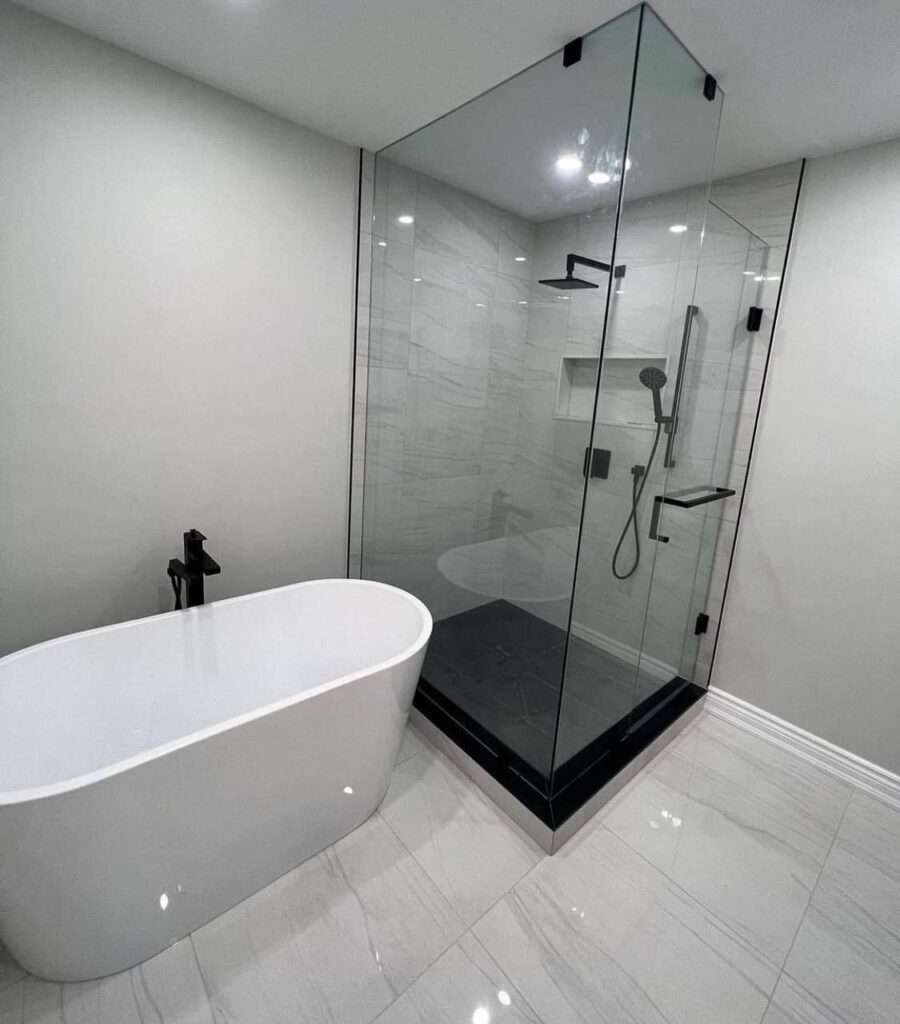

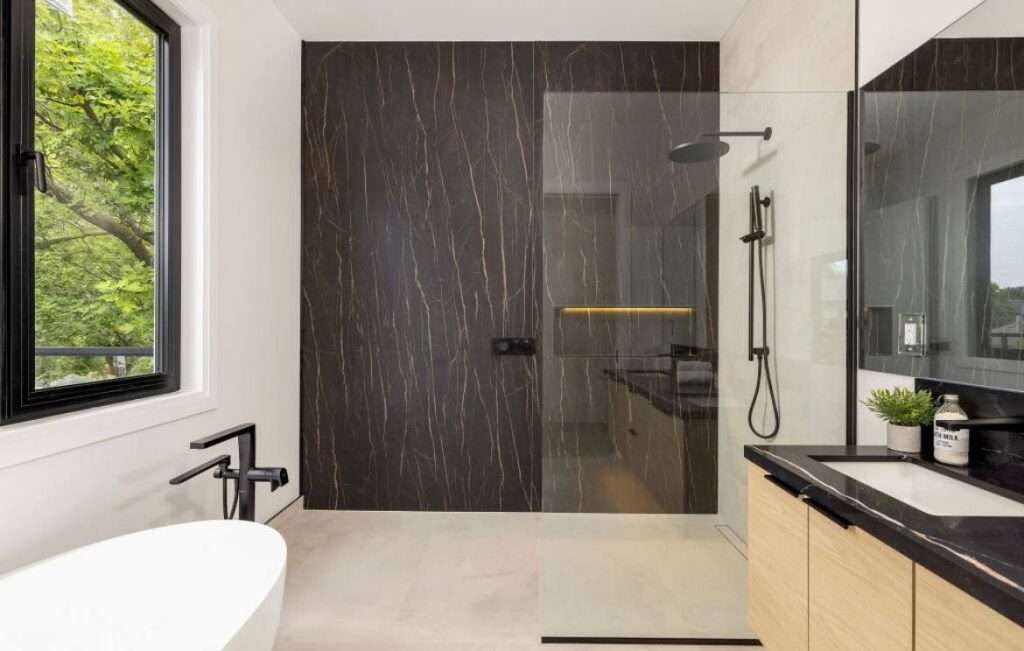
Renovating a bathroom can completely transform one of the most heavily used spaces in your home. Whether you are looking to modernize an outdated aesthetic, enhance daily functionality, or increase your property’s resale value, understanding the financial commitment is essential. When calculating the overall cost to renovate a bathroom, several elements come into play, with surface finishes—especially your choice of tiles—often taking center stage. This guide explores the core factors influencing your budget, typical pricing tiers, and practical strategies to manage your expenses effectively.
Factors Influencing Bathroom Renovation Costs
1. Size and Surface Area
The square footage of your space is the most significant predictor of your final bill. A compact powder room naturally requires fewer materials than a sprawling master bath. This size factor is especially critical during a tile renovation, where every additional square foot of floor, shower wall, or backsplash directly increases both material quantities and the hours of labor required to lay them.
2. Scope of the Renovation
Are you doing a simple cosmetic refresh or a full-scale gut job? Changing the fundamental layout, moving plumbing lines, and replacing the bathtub will skyrocket your budget. Conversely, keeping the existing footprint and focusing on visual upgrades—like updating the vanity, painting, or executing targeted bathroom tilling projects—can give you a dramatic transformation without the premium price tag.
3. Quality of Materials
The finishes you select will dramatically impact the bottom line. Opting for high-end natural stone, custom cabinetry, or luxury fixtures will push your budget to the upper limits. When it comes to wall and floor coverings, sourcing from specialized suppliers like Dream House Tile can give you a spectrum of options. You can choose affordable, durable ceramic to keep costs down, or invest in luxurious marble and glass mosaics if you have more financial flexibility.
4. Labor and Installation
Skilled labor represents a major portion of any remodeling budget. The complexity of the work dictates the price, particularly for tile setters. Laying standard large-format tiles on a perfectly flat floor is generally straightforward and cost-effective. However, creating custom shower pans, aligning intricate herringbone patterns, or fixing uneven subfloors requires specialized expertise. Hiring experienced professionals ensures a watertight, lasting finish, ultimately saving you money by preventing expensive water damage down the line.
5. Permits and Local Regulations
If your remodel involves altering structural elements, plumbing, or electrical systems, you will likely need municipal permits. These fees vary widely by location and project scope. Simple cosmetic changes usually bypass this requirement, but it is always best to check with your local housing authority before starting any demolition.
6. Unexpected Issues
Once you tear up the old flooring or open up a wall, you might discover hidden water damage, mold, or outdated wiring. Because older plumbing and subfloor issues are incredibly common in wet environments, it is highly recommended to reserve a contingency fund of 10% to 20% of your total budget. This safety net allows you to handle inevitable surprises without derailing the entire project.
Comparing Tile Material Costs
Since tiling makes up a significant portion of both the visual impact and the budget of a bathroom remodel, selecting the right material is crucial. Here is a breakdown of the most common tile options:
| Tile Material | Average Cost | Durability & Maintenance | Best Used For |
| Ceramic | Low | Good; easy to clean but prone to chipping | Walls, light-traffic floors, backsplashes |
| Porcelain | Medium | Excellent; highly water and scratch resistant | High-traffic floors, shower enclosures |
| Natural Stone | High | Very durable but requires regular sealing | Luxury floors, accent walls, vanity tops |
| Glass | High | Fragile; impervious to water | Decorative accents, mosaic backsplashes |
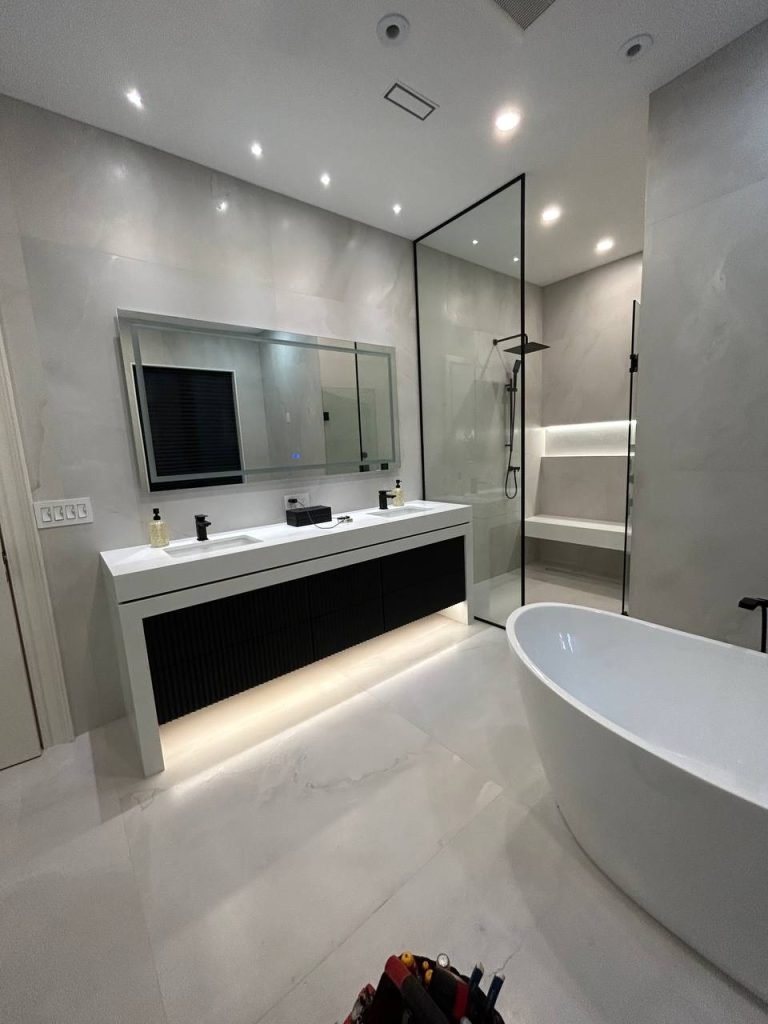
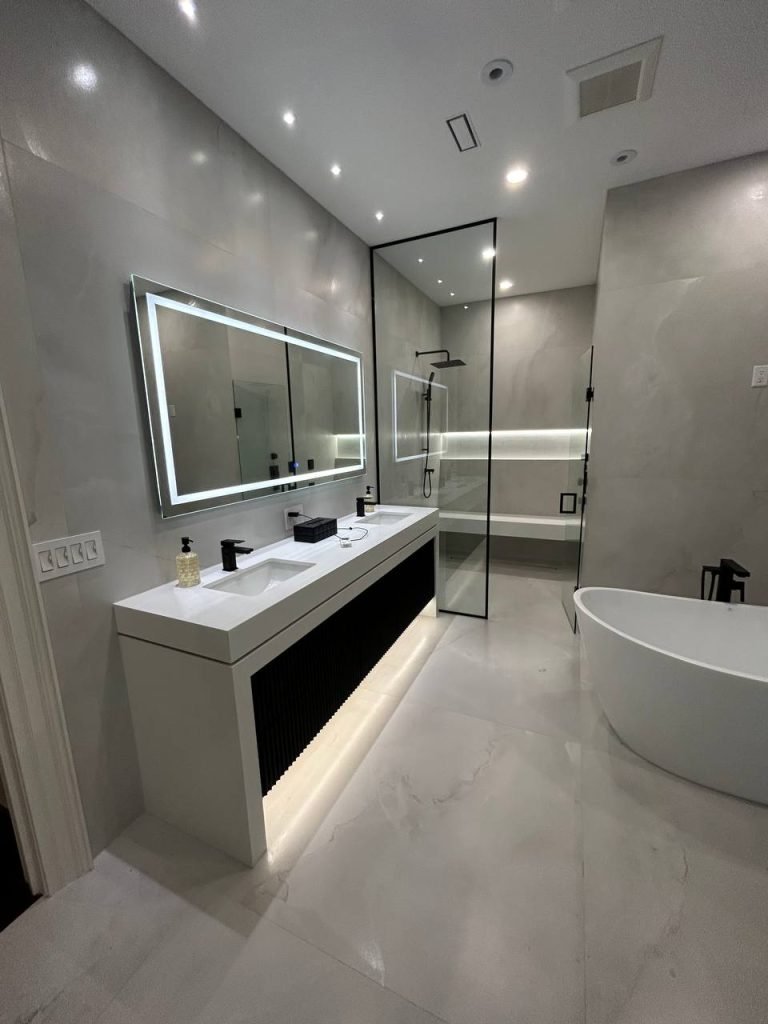
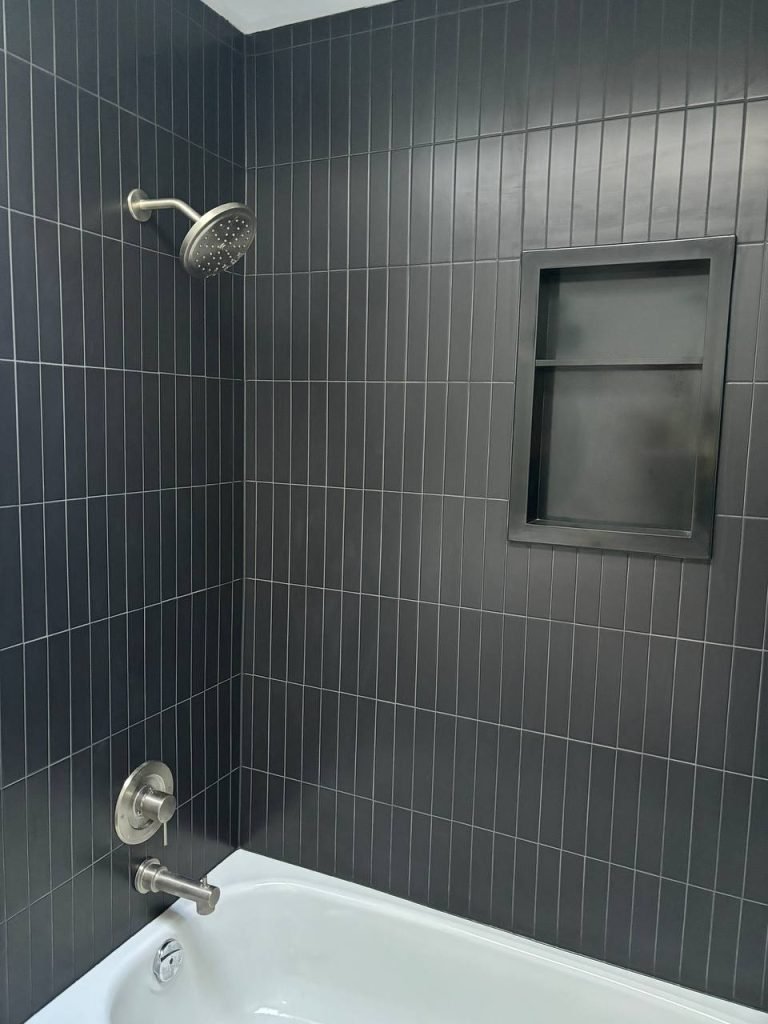
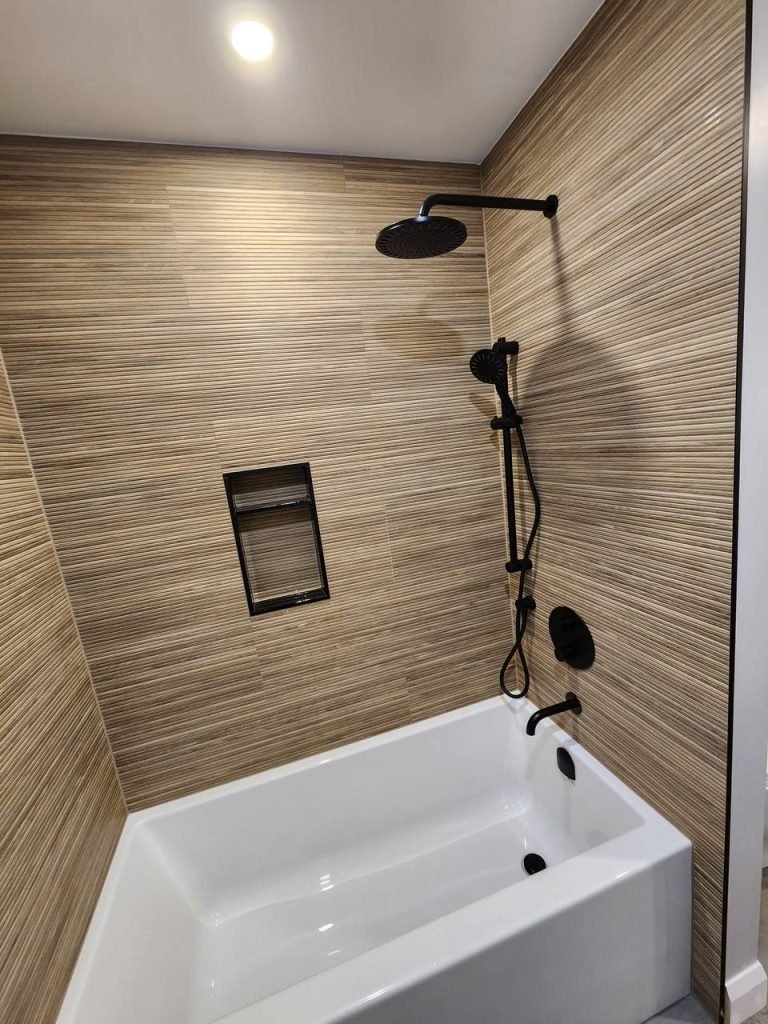
Typical Cost Ranges
1. Minor Renovations
A minor bathroom renovation typically involves cosmetic changes like painting, new fixtures, and replacing flooring. This type of renovation generally costs between $3,000 and $10,000.
- Painting and Replacing Fixtures: $500 – $3,000
- New Flooring: $1,000 – $4,000
- Lighting Updates: $500 – $2,000
2. Mid-Range Renovations
A mid-range renovation might include updating the layout, installing new cabinetry, and replacing the bathtub or shower. Costs for this type of renovation generally range from $10,000 to $25,000.
- New Vanity and Sink: $1,500 – $5,000
- Shower/Bathtub Replacement: $2,000 – $7,000
- Tile Work: $1,500 – $6,000
3. High-End Renovations
High-end renovations involve top-tier materials, custom designs, and potentially significant changes to plumbing and electrical work. These projects typically range from $25,000 to $60,000 or more.
- Custom Cabinets: $5,000 – $15,000
- Luxury Fixtures: $2,000 – $10,000
- High-End Flooring: $3,000 – $10,000
Budgeting Tips
1. Define Your Priorities
Before diving into a renovation, outline what aspects of your bathroom are most important to you. Is it the aesthetics, functionality, or sustainability? Knowing your priorities can help you allocate your budget effectively.
2. Get Multiple Quotes
Always obtain multiple quotes from contractors. This will give you a clearer understanding of the market rates and help you find the best value for your budget.
3. DIY Where Possible
If you have the skills and time, consider taking on some of the work yourself. Tasks like painting, demolition, or installing fixtures can reduce labor costs significantly.
4. Choose Timeless Designs
Invest in classic, timeless designs that will stand the test of time. While trendy items may seem appealing, they can quickly go out of style, requiring future updates.
5. Consider Resale Value
If you plan to sell your home in the near future, think about how your renovations will affect its resale value. Opt for upgrades that appeal to a broad range of buyers, such as neutral colors and functional layouts.
Conclusion
Renovating a bathroom is a significant investment, and understanding the costs involved can help you plan effectively. By considering the factors influencing renovation costs, exploring typical price ranges, and adhering to budgeting tips, you can create a beautiful, functional space that meets your needs and enhances your home’s value. Whether you choose a minor update or a complete overhaul, a well-planned renovation can offer a high return on investment and a more enjoyable living experience.
By the way, to ensure more effective promotion of our website, we chose the reliable marketing agency Tarmedia, which specializes in SEO services for websites in Canada, the United States, and other countries. You may find their expertise useful as well.