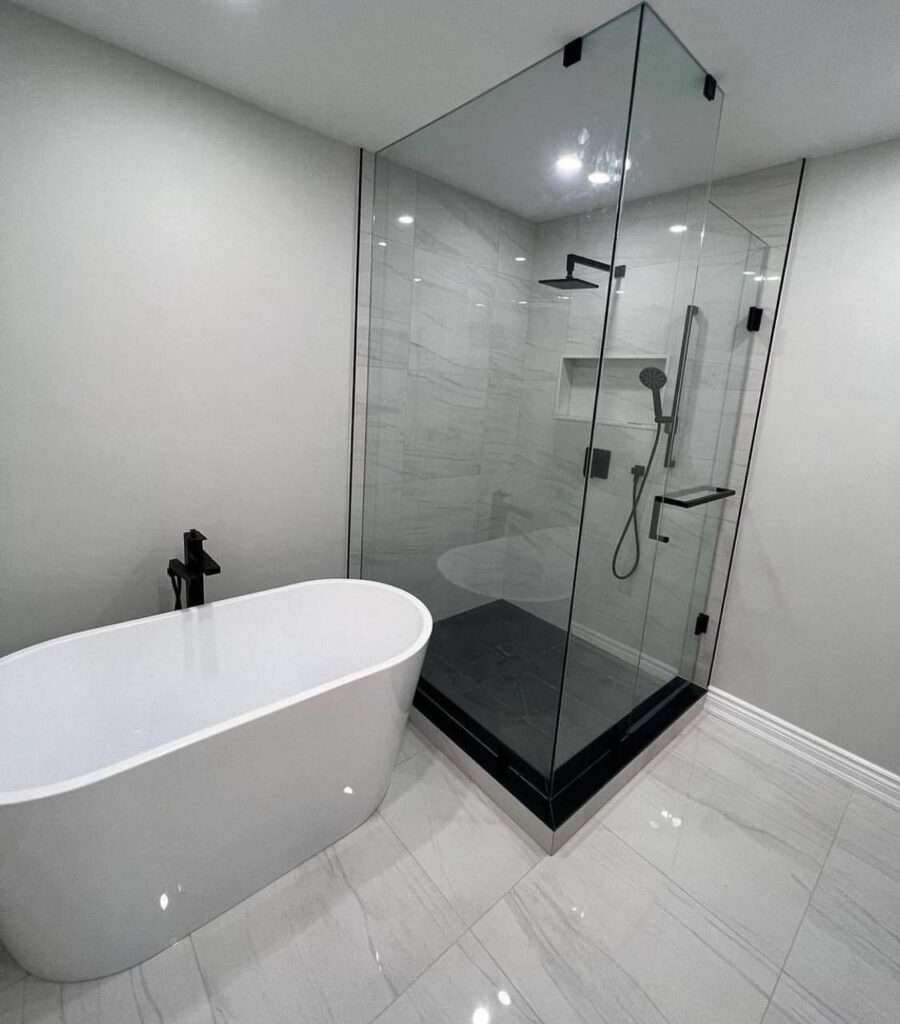


Renovating a small bathroom can be both exciting and challenging. The limited space requires thoughtful planning and execution to maximize functionality without compromising on aesthetics. However, there are common pitfalls that many homeowners encounter during this process. To ensure a successful renovation, let’s delve into 10 mistakes to avoid and explore the best alternatives for an impressive transformation.
1. Neglecting Proper Planning
Mistake: Rushing into the renovation without a clear plan often leads to unexpected issues and unsatisfactory results.
Solution: Start by establishing a comprehensive plan. Measure the space accurately, consider your needs, and visualize the desired outcome. Create a detailed layout, including fixture placement, storage solutions, and traffic flow.
2. Overlooking Storage Solutions
Mistake: Underestimating the importance of storage can result in a cluttered and impractical bathroom.
Solution: Incorporate smart storage solutions such as recessed shelves, floating shelves, wall-mounted cabinets, or vanity with drawers. Utilize vertical space and hidden storage areas to keep the bathroom organized and visually spacious.
3. Choosing Inappropriate Fixtures
Mistake: Opting for large fixtures in a small bathroom can overwhelm the space and hinder functionality.
Solution: Select compact fixtures that are proportionate to the room size. Consider wall-mounted sinks or toilets to free up floor space. Choose a smaller bathtub or a walk-in shower with glass enclosures to create an open feel.
4. Poor Lighting Choices
Mistake: Insufficient or improper lighting can make a small bathroom appear dark and cramped.
Solution: Combine different layers of lighting—ambient, task, and accent—to brighten the space effectively. Install LED overhead lights, add wall sconces, and include a mirror with integrated lighting to enhance both functionality and ambiance.
5. Ignoring Ventilation
Mistake: Neglecting proper ventilation can lead to mold, mildew, and poor air quality in the bathroom.
Solution: Install an exhaust fan to remove excess moisture and prevent potential damage. Ensure the fan is appropriately sized for the bathroom dimensions and use it consistently to maintain a healthy environment.

6. Forgetting About Accessibility
Mistake: Overlooking accessibility features can limit the usability of the bathroom, especially for individuals with mobility challenges.
Solution: Incorporate accessible design elements like grab bars, a curbless shower entry, and wider doorways. These additions not only enhance safety but also improve the overall functionality for everyone.
7. Disregarding the Importance of Materials
Mistake: Using the wrong materials or finishes can result in durability issues and frequent maintenance.
Solution: Choose moisture-resistant materials like porcelain tiles, water-resistant paint, and durable countertops to withstand the bathroom’s conditions. Opt for easy-to-clean surfaces to minimize upkeep.
8. Overcrowding the Space
Mistake: Stuffing too many elements into a small bathroom can make it feel claustrophobic and uncomfortable.
Solution: Focus on minimalism and prioritize essential elements. Opt for a cohesive color scheme, streamline fixtures, and avoid excessive decorations to create an airy and inviting atmosphere.
9. Ignoring Personal Style
Mistake: Neglecting personal taste can result in a generic-looking bathroom that lacks character.
Solution: Infuse your personality into the design by adding unique touches such as statement tiles, decorative accents, or artwork. Incorporate elements that resonate with your style while maintaining a harmonious look within the space.
10. Failing to Hire Professional Help When Needed
Mistake: Attempting complex renovations without professional assistance can lead to costly mistakes and subpar results.
Solution: Know when to seek professional help, especially for tasks involving plumbing, electrical work, or structural changes. Hiring experts ensures quality workmanship and adherence to safety standards.
In conclusion, a successful small bathroom renovation requires careful planning, attention to detail, and a focus on functionality without compromising style. By avoiding these common mistakes and implementing the suggested solutions, you can achieve a stunning and functional bathroom that maximizes the available space.
Frequently Asked Questions
How much does a small bathroom renovation cost in Toronto and the GTA?
The final price depends on the size of the room, the materials you choose, and whether plumbing or layout changes are involved. Tile work, fixtures, and labour are usually the biggest line items. For a realistic breakdown, read our guide to the actual expenses of bathroom tile renovation, or request a free estimate and we’ll price your specific space.
What is the best tile for a small bathroom?
Porcelain is the safest choice because it is moisture-resistant, durable, and easy to clean. Light, neutral tones and larger formats with fewer grout lines make a compact room feel more open. Our tips on how to choose the right tiles for your bathroom will help you narrow down size, finish, and colour.
Is a walk-in shower better than a bathtub in a small bathroom?
In most small bathrooms, yes. A walk-in shower with a glass enclosure frees up visual and floor space, and it is easier to keep accessible. If you want a seamless, open look, consider a curbless shower tile installation, which also suits people with limited mobility.
How can I make a small bathroom look bigger?
Use compact or wall-mounted fixtures and layered lighting, and keep the colour scheme cohesive. Run the same tile across the floor and walls for a continuous look, and use recessed or floating storage instead of bulky cabinets. A properly waterproofed and well-planned bathroom shower tile installation also adds depth and a clean, finished look.
Do I need a professional for a small bathroom renovation?
Cosmetic updates such as painting or swapping accessories can be done on your own. Plumbing, electrical work, waterproofing, and tiling are best left to professionals, because mistakes here can cause leaks, mould, and costly repairs. Our team handles every stage of bathroom renovation across Toronto and the GTA, from design to final grout.
What size exhaust fan does a small bathroom need?
A common rule of thumb is about 1 CFM per square foot of floor area, with 50 CFM as a practical minimum. Choose a quiet, efficient model and run it during and after every shower to prevent moisture buildup.