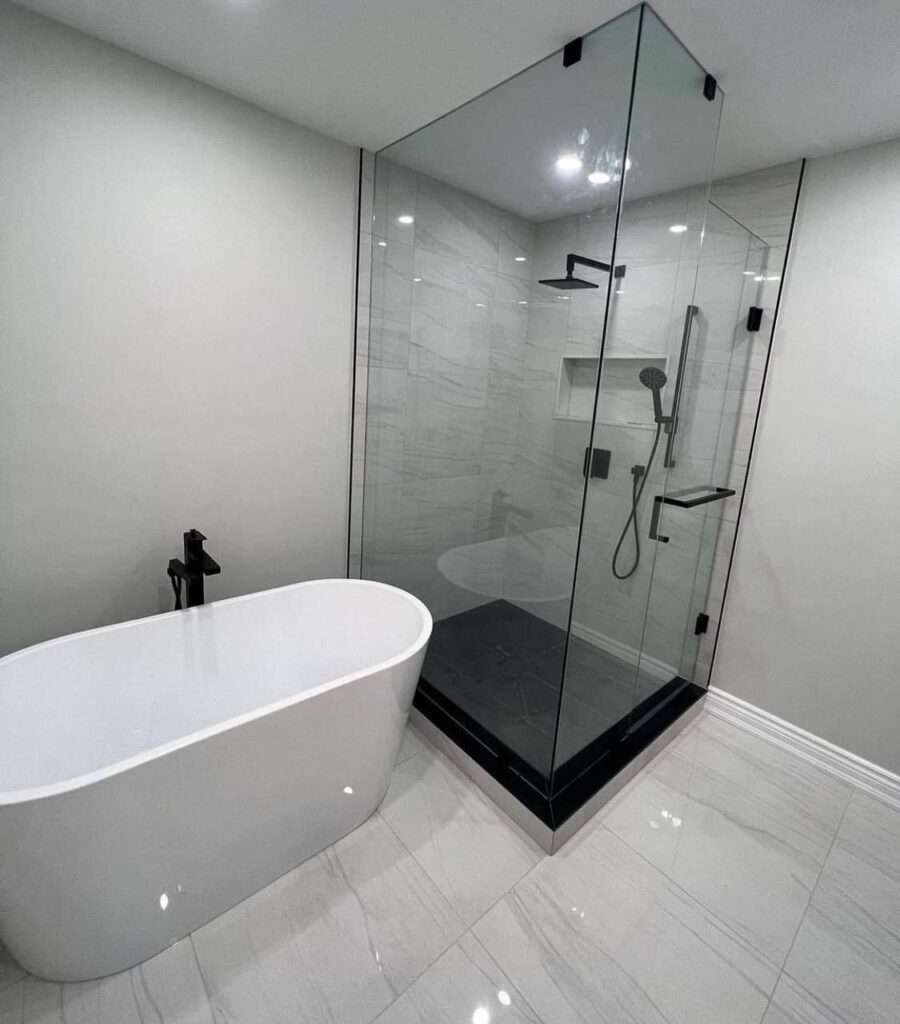

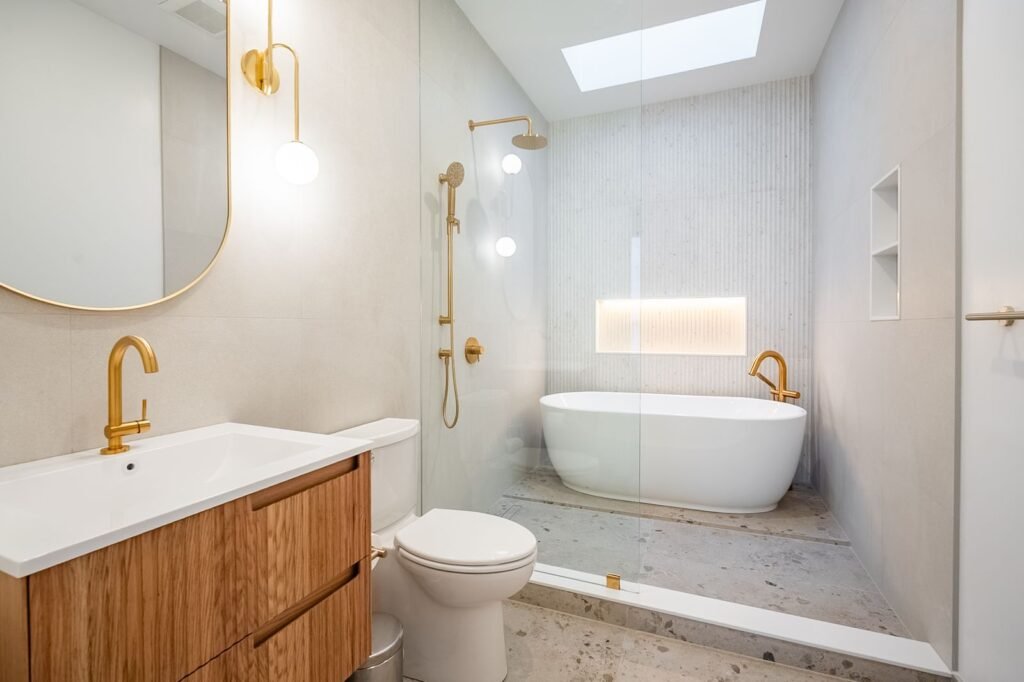
Embarking on a bathroom renovation is an exciting yet daunting endeavor. It represents a prime opportunity to transform a purely functional, perhaps outdated space into a personal oasis of relaxation and modern convenience. However, beneath the gleaming porcelain, brushed nickel fixtures, and pristine subway tiles lies a complex, highly regulated labyrinth of interconnected systems. Plumbing, electrical wiring, mechanical ventilation, and structural framing all converge in what is typically one of the smallest rooms in a house.
Because bathrooms are subjected to constant moisture, extreme temperature fluctuations, daily wear and tear, and strict building codes, remodeling them is notoriously challenging. A bathroom remodel is rarely just a cosmetic update; it is an exercise in micro-engineering. Whether you are a seasoned DIY enthusiast taking on a guest bath or a homeowner preparing to hire a general contractor for a master suite overhaul, understanding the potential pitfalls before the first hammer swings can save you thousands of dollars and weeks of frustration.
In this comprehensive guide, we will explore the most common bathroom renovation challenges in deep detail and provide actionable, professional-grade solutions to ensure your project stays on track, remains on budget, and stands the test of time.
Challenge 1: Hidden Water Damage and Structural Rot
The Problem:
The most devastating surprises in a bathroom renovation rarely announce themselves until demolition begins. Because bathrooms deal with running water daily, even microscopic failures in grout, caulk, or plumbing joints can allow moisture to seep into the structural cavities over years or decades. When you tear up the old linoleum or remove the acrylic shower surround, it is incredibly common to find rotted subflooring, degraded wall studs, or extensive black mold colonies. Ignoring this structural degradation and simply building over it will inevitably lead to a catastrophic failure of your new tile work, persistent foul odors, and severe health hazards.
The Solution:
First, approach your budget with a defensive mindset: always allocate a contingency fund of at least 15% to 20% specifically for hidden structural repairs. If you discover soft, spongy wood beneath the toilet flange or the bathtub, you must stop the aesthetic work immediately and pivot to structural repair. All rotted wood must be entirely cut out and replaced with fresh, exterior-grade plywood or new dimensional lumber framing. If mold is present, the area must be treated with commercial-grade antimicrobial solutions (not just household bleach, which only bleaches the surface) and thoroughly dried using industrial dehumidifiers before any new materials are installed. Ensure that your new subfloor is perfectly level and structurally rigid enough to support the heavy weight of stone or ceramic tile.
Challenge 2: Complex Plumbing Upgrades and Layout Changes
The Problem:
Homeowners often dream of dramatically altering their bathroom’s layout—moving the shower to the opposite wall, relocating the toilet for better privacy, or upgrading to a massive double vanity. However, moving plumbing fixtures is vastly more complicated and expensive than moving furniture. Relocating a toilet requires moving the 3-inch or 4-inch soil stack, which may involve cutting through floor joists (a structural hazard) and entirely re-routing the venting system. Furthermore, older homes may contain outdated plumbing materials, such as galvanized steel pipes that are corroding from the inside out, or polybutylene pipes that are notorious for sudden, catastrophic ruptures.
The Solution:
The most cost-effective solution is to maintain the original footprint of the bathroom whenever possible. Leaving the toilet, shower drain, and sink in their current locations will save thousands of dollars in plumbing labor. If you absolutely must change the layout, consult a licensed structural engineer and a master plumber before finalizing your design to ensure the new routing will not compromise the home’s framing and will maintain the required 1/4-inch per foot slope for drainage. Regardless of whether you move fixtures, take the opportunity while the walls are open to upgrade all accessible supply lines to modern, durable materials like PEX (cross-linked polyethylene) or copper, and replace aging PVC or cast-iron drains.
Challenge 3: Inadequate Waterproofing Systems
The Problem:
A shocking number of premature bathroom failures stem from a fundamental misunderstanding of waterproofing. Many amateur renovators and even some subpar contractors believe that cement backer board, thin-set mortar, and ceramic tile create a waterproof barrier. They do not. Tile and grout are inherently porous. Without a dedicated waterproofing system behind the tile, water will inevitably wick through the grout lines, saturate the substrate, and begin rotting the framing. This leads to crumbling shower walls, leaking ceilings on the floor below, and loose, rattling tiles.
The Solution:
You must employ a comprehensive, continuous waterproofing system in all wet zones before a single tile is laid. Traditional methods involve tar paper and metal lath behind a thick mortar bed, but modern renovations heavily favor liquid-applied membranes (like RedGard or AquaDefense) or engineered sheet membranes (such as the Schluter-Kerdi system). Liquid membranes must be painted on in multiple thick coats, ensuring proper mil-thickness, while sheet membranes require careful overlapping and sealing of all seams with specialized waterproof banding. Pay special attention to vulnerable areas like the shower niche, the drain connection, and the intersection where the floor meets the wall.
Challenge 4: Electrical Code Compliance and Lighting Design
The Problem:
Older bathrooms are notorious for having insufficient electrical service. You may find only one outlet, poorly placed lighting, and circuits shared with other heavy-draw appliances in the house. Modern bathrooms demand much more power for items like hair dryers, heated floors, towel warmers, and electric bidets. Furthermore, mixing water and electricity presents a massive safety hazard. Failing to upgrade the electrical system to current building codes not only makes the space dangerous but can also cause your home to fail future inspection during a sale.
The Solution:
Bathroom renovations almost always require dedicated 20-amp circuits to handle the high wattage of modern grooming tools. Code mandates that all receptacles in a bathroom must be protected by Ground Fault Circuit Interrupters (GFCIs), which instantly cut power if a short is detected, preventing electrocution. When it comes to lighting, ensure that any fixtures installed over the shower or tub (Zone 1) are explicitly “wet-rated” and adequately sealed against moisture. Design-wise, avoid the common mistake of relying solely on a single overhead light, which casts harsh shadows on the face. Instead, utilize layered lighting: install sconces at eye level on either side of the vanity mirror for optimal task lighting, combined with dimmable recessed ceiling lights for ambient illumination.
Challenge 5: Ventilation Failures and Moisture Management
The Problem:
A bathroom without proper ventilation is essentially a terrarium. Every hot shower releases a massive volume of steam into the air. If this humid air is not rapidly extracted, it condenses on walls, ceilings, and mirrors. Over time, this chronic moisture leads to peeling paint, bubbling drywall tape, rusting metal fixtures, and rampant mildew growth. A common, highly damaging mistake is venting the bathroom exhaust fan directly into the attic or the space between floor joists, which simply relocates the moisture problem and rots the roof deck.
The Solution:
Install a high-quality, appropriately sized exhaust fan. The rule of thumb for standard bathrooms is 1 CFM (Cubic Foot per Minute) of air movement for every square foot of floor space. Ensure the fan is ducted directly to the exterior of the house—either through the roof or an exterior side wall—using insulated, rigid or semi-rigid ducting to prevent condensation from dripping back down the pipe. To guarantee the fan is used effectively, wire it to a humidity-sensing switch that turns on automatically when moisture levels rise, or use a countdown timer switch to ensure it runs for at least 20 minutes after a shower concludes.
Challenge 6: Tile Layout, Slippage, and Grout Maintenance
The Problem:
Tile selection is often driven purely by aesthetics, leading homeowners to choose massive, highly polished tiles for the bathroom floor. This creates an immediate slip-and-fall hazard when wet. Additionally, poor tile layout planning can result in awkward, sliver-thin tile cuts at the edges of the room or visually jarring, unaligned grout lines. Finally, using standard cementitious grout in high-traffic wet areas often leads to deep, permanent staining and discoloration that requires constant scrubbing.
The Solution:
Safety must dictate floor tile selection. For shower floors, choose smaller tiles (2×2 inches or smaller); the numerous grout lines provide necessary traction for wet feet. For the main floor, look for matte finish tiles with a high Dynamic Coefficient of Friction (DCOF) rating. When laying out the tile, always dry-fit the pattern first. Start from the center of the room or the most visible wall to ensure that any necessary cut tiles are hidden behind the vanity or toilet, and use leveling clips to prevent “lippage” (uneven tile edges). To save yourself from years of scrubbing, upgrade to epoxy grout or high-performance urethane grout; they are significantly more expensive and harder to install, but they are entirely non-porous, highly stain-resistant, and never require sealing.
Quick Reference: Bathroom Renovation Challenges & Solutions
| Renovation Challenge | Early Warning Signs / Causes | Preventative Solution | Professional Remediation |
| Structural Water Damage | Spongy floors, loose tiles, musty odor, dark spots on ceiling below. | Continuous waterproofing systems, regular caulk maintenance. | Remove all affected materials, treat/replace structural joists, remediate mold. |
| Plumbing Layout Costs | Desire to move toilet or shower across the room; old galvanized pipes. | Keep original plumbing footprint; inspect lines before closing walls. | Cut concrete slab/joists to relocate drains, upgrade entire system to PEX/PVC. |
| Electrical Safety | Flickering lights, tripping breakers, lack of GFCI outlets near sinks. | Plan dedicated 20-amp circuits early in the design phase. | Install new sub-panel, run new Romex wiring, install wet-rated fixtures. |
| Waterproofing Failure | Peeling paint near shower, bubbling drywall, grout falling out. | Use Schluter-Kerdi or liquid membranes over cement board. Never use standard drywall in showers. | Complete tear-down of shower enclosure to the studs; rebuild with proper membrane. |
| Inadequate Ventilation | Persistent mirror fog, condensation on walls, mold on ceiling. | Calculate required CFM, install humidity-sensing switches. | Replace undersized fan, run new insulated rigid ductwork straight to the roof exterior. |
| Slippery / Stained Floors | Highly polished floor tiles; dark, discolored, or crumbling grout. | Choose matte, textured tiles for floors; use epoxy grout. | Apply anti-slip chemical treatments to existing tile; completely rake out and regrout floor. |
| Space Constraints | Bumping knees against vanity; door hits the toilet when opening. | Utilize 3D planning software; check standard clearance codes (e.g., 21″ in front of toilet). | Install pocket doors, wall-mounted (floating) vanities, and compact fixtures. |
Conclusion
A successful bathroom renovation is a delicate balancing act between aesthetic desires and rigid technical requirements. The challenges of water management, spatial constraints, electrical safety, and plumbing logistics are formidable, but they are entirely manageable with meticulous planning. By anticipating the hidden issues behind the drywall, prioritizing high-quality materials beneath the surface (like premium waterproofing and durable plumbing), and recognizing when to call in licensed professionals, you can navigate the renovation process smoothly. A well-executed bathroom remodel will not only provide you with a beautiful, functional sanctuary for years to come, but it will also significantly enhance the structural integrity and financial value of your home.